



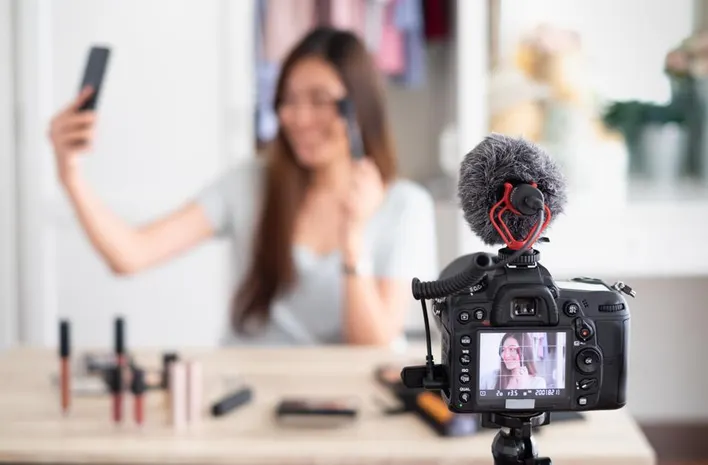
Influencer marketing has become one of the most effective strategies for building brand awareness in the digital age. By leveraging the reach and credibility of social media influencers, brands can connect with their target audience in a more authentic way than traditional advertising allows. Influencers have established trust with their followers, and a recommendation from them can significantly impact purchasing decisions. From Instagram and TikTok to YouTube and blogs, influencer marketing offers a range of platforms to engage potential customers. However, success requires careful planning, identifying the right influencers, and creating campaigns that align with your brand values. This article explores proven influencer marketing strategies to boost brand awareness and achieve measurable results.
Identify the Right Influencers
The foundation of any successful influencer marketing campaign is selecting the right influencers. Begin by defining your target audience and the platforms they engage with most. Look for influencers whose followers match your demographic in terms of age, location, and interests. Micro-influencers (5,000–50,000 followers) often have higher engagement rates and more loyal audiences compared to mega-influencers, making them ideal for niche campaigns.
Evaluate influencers based on content quality, engagement rate, authenticity, and past collaborations. Avoid partnerships that appear purely transactional, as audiences are quick to spot insincere endorsements. Tools like HypeAuditor, Upfluence, or AspireIQ can help identify suitable influencers and assess their credibility. Partnering with the right influencers ensures your brand message reaches the right people and builds trust rather than just impressions.
Define Clear Campaign Goals
Before launching an influencer campaign, define measurable goals to evaluate success. Common objectives include increasing brand awareness, driving website traffic, boosting social media engagement, or generating sales. Specific metrics like impressions, reach, clicks, and conversions help track performance. Clear goals allow you to choose influencers, content types, and campaign timelines effectively.
For instance, if your goal is brand awareness, focus on influencer reach and audience demographics rather than immediate sales. Aligning campaign strategy with business objectives prevents wasted budgets and ensures ROI. Additionally, communicating these goals with influencers ensures they create content that supports your desired outcomes. Campaigns with clear goals are more likely to succeed and provide insights for future influencer marketing efforts.
Leverage Micro and Nano Influencers
Micro-influencers (5,000–50,000 followers) and nano-influencers (1,000–5,000 followers) are increasingly popular for brand awareness campaigns. Despite smaller follower counts, they often have higher engagement rates, stronger community connections, and more authentic relationships with their audience. This authenticity translates into higher trust and better reception of brand messages. Micro and nano influencers also tend to be more cost-effective than celebrities, allowing brands to collaborate with multiple influencers for a diversified campaign.
When using these influencers, focus on niche relevance rather than follower count. Even a small, highly engaged audience can generate meaningful results. Combining multiple micro-influencer collaborations can amplify reach while maintaining authenticity, making it a powerful strategy for building brand awareness efficiently.
Create Authentic, Engaging Content
Content authenticity is critical in influencer marketing. Audiences respond best to influencers who incorporate products naturally into their lifestyle rather than making overtly promotional posts. Collaborate with influencers to create storytelling content, tutorials, unboxing videos, or behind-the-scenes posts that resonate with their audience. High-quality visuals and consistent branding enhance credibility.
Encourage influencers to share personal experiences with your product to strengthen authenticity. Campaigns that feel genuine are more likely to be shared and remembered, boosting brand awareness. User-generated content can further extend reach and engagement. Avoid scripted posts that seem forced; instead, provide guidelines while allowing influencers creative freedom. Engaging and authentic content ensures your brand message resonates, builds trust, and encourages potential customers to explore your products or services.
Use Multiple Platforms Strategically
Different social media platforms serve different purposes in influencer marketing. Instagram is ideal for visually appealing content like lifestyle, fashion, and product posts. TikTok focuses on short, viral videos that can quickly boost brand awareness. YouTube works well for in-depth tutorials, reviews, and storytelling. LinkedIn is effective for B2B influencer campaigns. Selecting the right platform depends on your target audience and campaign goals.
Multi-platform campaigns can increase reach, especially when influencers repurpose content across channels. However, it’s crucial to tailor messaging to each platform’s audience and format. Coordinating campaigns across multiple platforms maximizes exposure, improves engagement, and ensures a consistent brand message. Understanding platform nuances allows brands to optimize influencer partnerships for the greatest impact.
Track Metrics and Optimize Campaigns
Tracking metrics is essential for measuring influencer campaign success. Common KPIs include reach, impressions, engagement rate, website traffic, and conversions. Use analytics tools provided by social media platforms or third-party software like Google Analytics, HypeAuditor, or Sprout Social to monitor performance. Track which content resonates most with the audience, and optimize future campaigns based on these insights.
Regular reporting helps assess ROI, identify top-performing influencers, and justify budgets. Additionally, A/B testing different content styles, captions, or influencer partnerships can improve results. Monitoring performance also allows quick adjustments if a campaign underperforms. Continuous optimization ensures that influencer marketing strategies remain effective, cost-efficient, and aligned with brand goals.
Leverage User-Generated Content
User-generated content (UGC) amplifies influencer campaigns and strengthens brand credibility. Encourage followers and influencers to create content featuring your products or services, such as photos, reviews, or testimonials. Sharing UGC on your brand’s social media channels provides social proof and engages the wider audience. UGC helps humanize the brand, making it more relatable and trustworthy. Incentivize participation through contests, discounts, or shoutouts to motivate followers.
Influencer collaborations often produce UGC that can be repurposed across campaigns, websites, and ads. Incorporating UGC extends the campaign’s lifespan, reduces content creation costs, and boosts organic reach. Brands that successfully integrate UGC see higher engagement, increased trust, and sustained brand awareness growth.
Build Long-Term Influencer Relationships
Instead of one-off campaigns, building long-term relationships with influencers is a highly effective strategy for sustained brand awareness. Long-term collaborations foster trust and familiarity with both the influencer and their audience. Audiences perceive consistent partnerships as authentic endorsements, increasing credibility and engagement. These relationships allow influencers to understand your brand values, products, and messaging, producing better-aligned content over time.
Long-term collaborations can include ambassador programs, recurring campaigns, or exclusive partnerships. They also provide better negotiation leverage and cost efficiencies. By nurturing these relationships, brands create advocates who continuously promote products organically. This approach builds loyalty, strengthens brand identity, and ensures consistent exposure to target audiences.
Conclusion
Influencer marketing is a powerful tool to boost brand awareness, provided it is approached strategically. Success depends on selecting the right influencers, defining clear campaign goals, creating authentic content, leveraging multiple platforms, and tracking performance. Micro and nano influencers, user-generated content, and long-term partnerships are key strategies for maximizing reach and engagement. Brands that focus on authenticity, relevance, and consistency see higher engagement, trust, and recall from target audiences. With careful planning and execution, influencer marketing can drive significant growth, strengthen brand identity, and generate long-term visibility. By adopting these strategies, businesses can create meaningful connections with their audience and achieve measurable marketing success.
FAQs
What is influencer marketing and why is it effective?
Influencer marketing leverages social media personalities to promote a brand. It is effective because influencers have established trust and influence over their followers, driving awareness and engagement.
How do I choose the right influencer for my brand?
Identify influencers whose audience matches your target market. Consider engagement rates, content style, credibility, and past partnerships.
What platforms work best for influencer marketing?
Popular platforms include Instagram, TikTok, YouTube, and LinkedIn. The choice depends on target audience demographics and content type.


